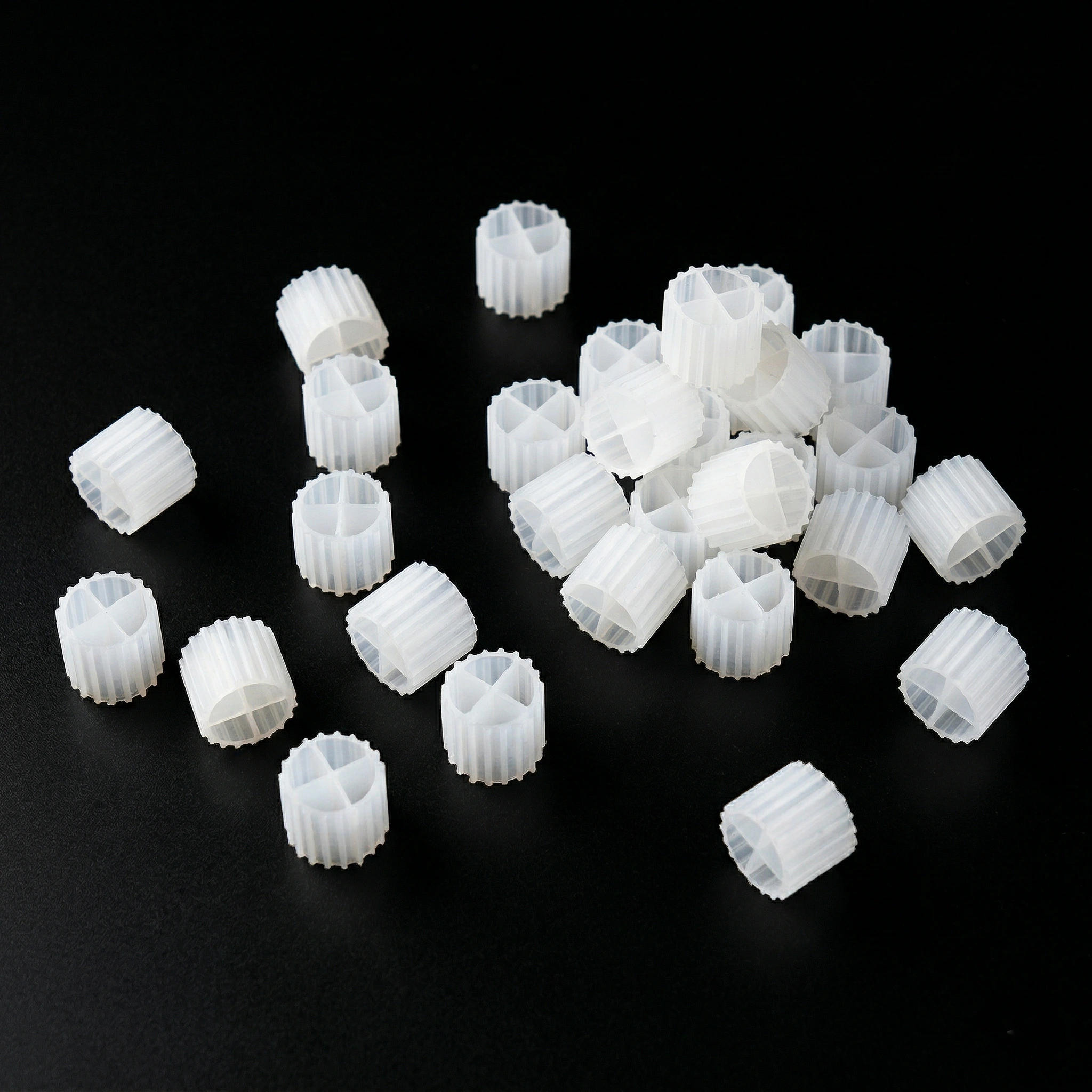
MBBR Bio Media For Advanced Wastewater Treatment
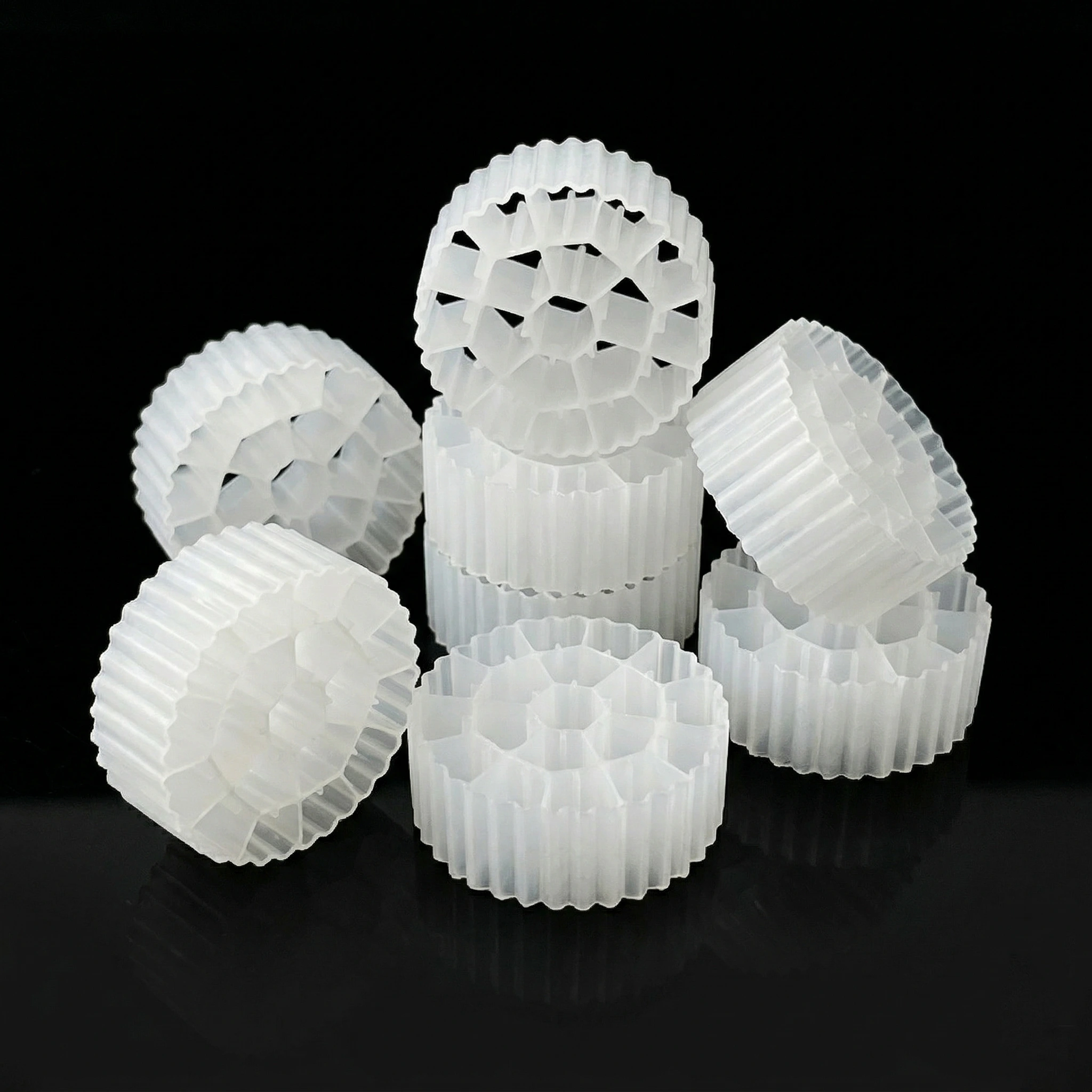
MBBR bio media — also called MBBR bio carriers or MBBR media — are small plastic shapes suspended in a wastewater treatment reactor. Their surface provides a home for beneficial microorganisms (biofilm) that break down organic pollutants, ammonia, and nitrogen.
Choosing the right media is the single most important design decision in any MBBR system. It directly determines treatment capacity, system stability, and long-term operating costs.
This guide covers everything you need to know: what MBBR media does, how the main types compare, and which one fits your project.
What Is MBBR Bio Media?
MBBR bio media are small, free-floating carriers made from 100% virgin HDPE (or sometimes PP). Each piece has a large surface area-to-volume ratio, giving biofilm a place to grow while staying suspended in the water.
As the media moves through the reactor (fluidized by aeration or mixing), the biofilm is exposed to wastewater, oxygen, and nutrients — naturally treating the water.
Role of Media in an MBBR System
The media is the heart of the MBBR system. Its performance determines:
- Treatment efficiency — More surface area = more biofilm = higher COD/BOD removal
- System stability — The right media shape protects biofilm from shear forces
- Energy use — Media design affects how much aeration or mixing is needed to fluidize it
- Hydraulic capacity — Fill ratio and media shape determine how much flow the reactor can handle
Media doesn’t work alone. It needs the right aeration diffusers, retention screens, and mixers to perform. All components in a MBBR System must be designed together.
MBBR Media Comparison Table
Below is a direct comparison of the four media types we supply. Use it as your first filter, then read the detailed recommendations below.
| Parameter | K1 Media | K3 Media | K5 Media | Mutag Biochip |
|---|---|---|---|---|
| Diameter (mm) | 9 | 12 | 15 | 14 × 14 |
| Height (mm) | 8 | 10 | 12 | 7 |
| Effective surface area (m²/m³) | >800 | >650 | >500 | >1000 |
| Density (g/cm³) | 0.95–0.98 | 0.95–0.98 | 0.95–0.98 | 0.95–0.98 |
| Material | 100% Virgin HDPE | 100% Virgin HDPE | 100% Virgin HDPE | 100% Virgin HDPE |
| Typical filling ratio | 30–55% | 30–50% | 25–45% | 20–40% |
| Biofilm protection | Standard (internal fins) | Standard (larger fins) | Standard (largest fins) | Enhanced (recessed surface) |
| Best for | Municipal WWTP | Medium-load industrial | High-load industrial | High-efficiency / limited space |
How to Choose the Right MBBR Media
Every wastewater project is different. We manufacture a comprehensive range of biological carriers designed to support robust biofilm development. Select the optimal profile based on your specific organic loading rate (OLR), tank volume, and mixing energy requirements.
| Industry | Recommended | Typical COD Range | Why This Media Fits |
|---|---|---|---|
|
Municipal Wastewater
WWTP
STP
|
K1 | 200 – 800 mg/L | K1 is the industry standard for municipal plants. Balanced surface area (>900 m²/m³) and strong fluidity deliver reliable BOD removal, nitrification, and denitrification with minimal clogging. Proven across thousands of installations worldwide. |
|
Food & Beverage
Brewery
Dairy
Processing
|
K3 | 1000 – 5000 mg/L | K3's larger internal channels (25mm × 12mm) resist clogging from fats, oils, and solids common in food processing wastewater. The open structure maintains biofilm activity even under fluctuating organic loads. |
|
Pulp & Paper
Paper mill
Cardboard
|
K3 | 1500 – 5000 mg/L | High fiber content and variable flow rates demand media that stays fluidized under changing conditions. K3's larger diameter provides good mixing tolerance in deep aeration basins. |
|
Chemical & Pharmaceutical
Pharma
Chemical
Petrochemical
|
K5 | 3000 – 10000+ mg/L | High-strength wastewater with extreme COD loads requires maximum open volume to prevent oxygen transfer limitation. K5's 25mm × 10mm (64 holes) design provides the highest void ratio in the K-series, handling intense aeration without blocking. |
|
Landfill Leachate
Leachate
|
K5 | 3000 – 15000 mg/L | Landfill leachate contains high ammonia, heavy metals, and variable organic loads. K5's robust open structure supports the high-intensity aeration needed for leachate treatment and resists blockage from inert solids. |
|
Aquaculture & RAS
RAS
Hatchery
|
K1 Biochip | < 300 mg/L | RAS systems need efficient ammonia removal in compact tanks. K1 is a proven, cost-effective choice for standard RAS. Biochip (porous chip, >3000 m²/m³) delivers maximum nitrification capacity per m³ in high-density or space-limited systems. |
|
Plant Retrofits & Capacity Upgrades
Upgrade
Expansion
|
Biochip | Varies | When tanks can't be expanded, Biochip's porous structure (30mm × 1.1mm, >3000 m²/m³) delivers the highest treatment capacity per cubic meter. Ideal for increasing plant capacity without construction, or for deep denitrification upgrades. |
Dimensions: 11mm × 7mm (4/5 Holes)
Specific Surface Area: > 900 m²/m³
Ideal For: Standard municipal wastewater treatment & RAS systems.
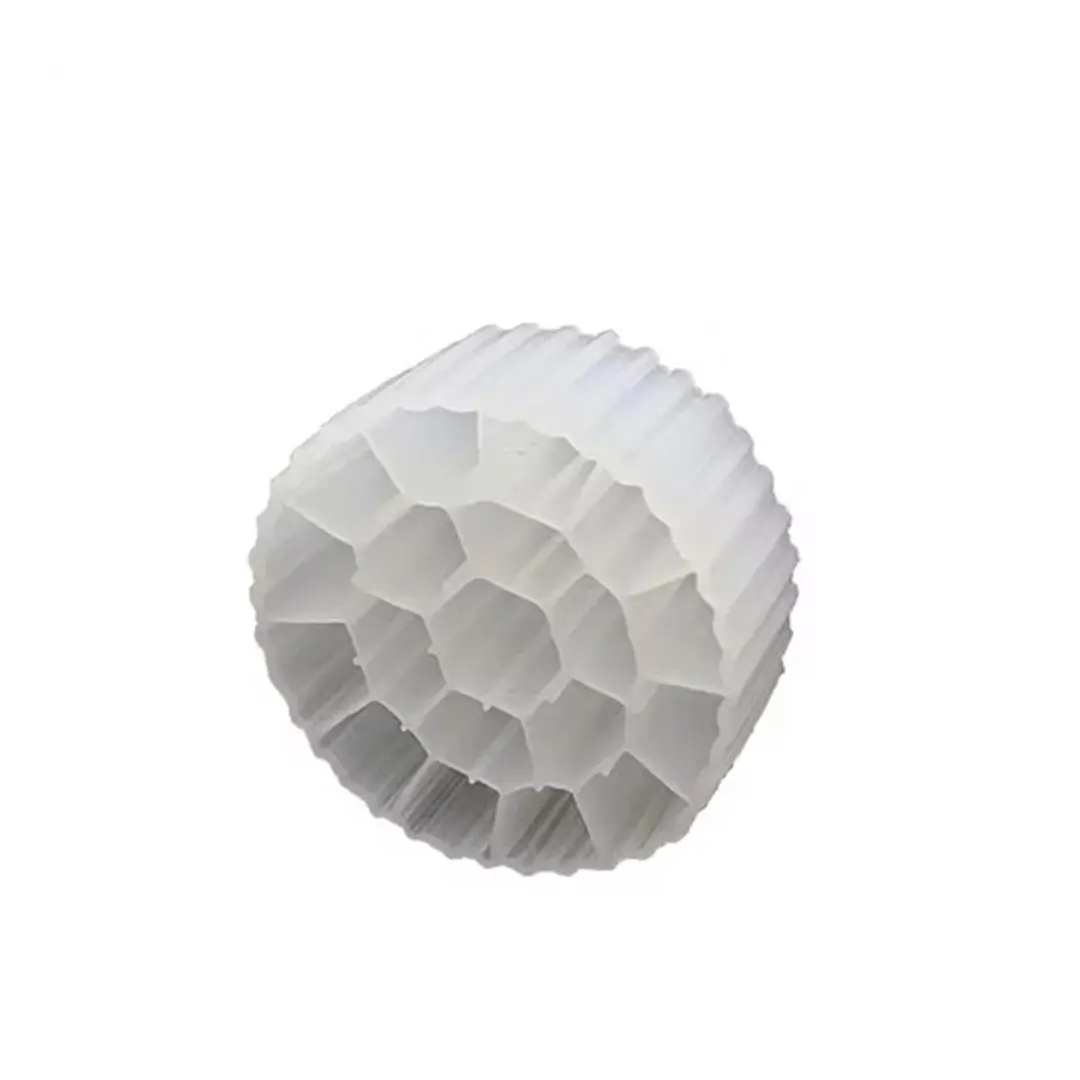
Dimensions: 25mm × 12mm (19 Holes)
Specific Surface Area: > 600 m²/m³
Ideal For: Large-scale industrial effluent and robust mixing environments.
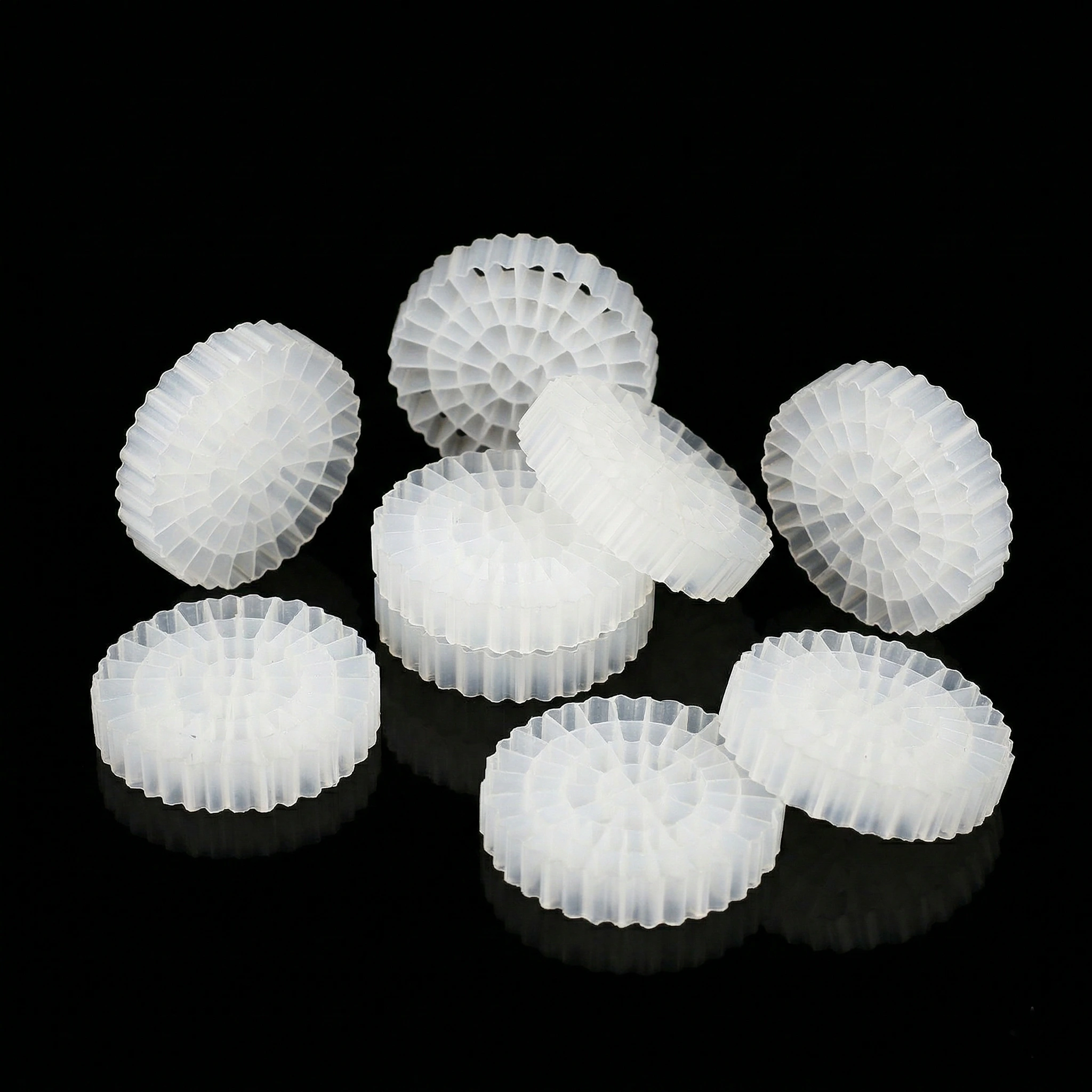
Dimensions: 25mm × 10mm (64 Holes)
Specific Surface Area: > 1200 m²/m³
Ideal For: High-load COD/BOD reduction with limited tank volume.
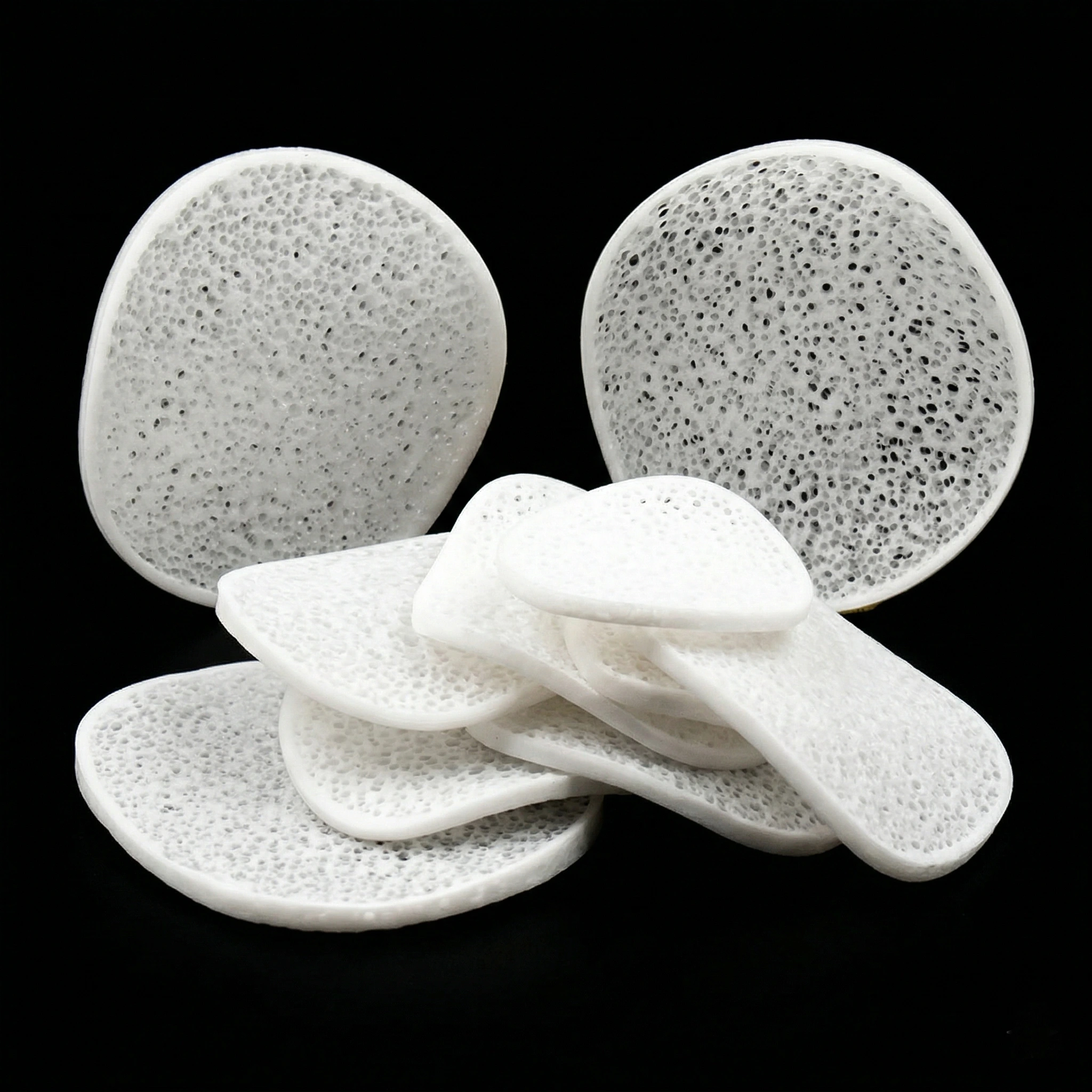
Dimensions: 30mm × 1.1mm (Porous Chip)
Specific Surface Area: > 3000 m²/m³
Ideal For: Ultra-high efficiency retrofits and space-restricted plants.
Factors That Affect Your Choice
| Factor | Why it matters |
|---|---|
| COD / BOD concentration | Higher organic load needs more surface area (Biochip) or more open media (K3/K5) |
| TSS (suspended solids) | High TSS → choose media with larger internal channels to avoid clogging |
| Reactor depth & geometry | Deeper tanks need media that fluidizes well under higher hydrostatic pressure |
| Aeration system design | Fine bubble vs coarse bubble affects the flow pattern that moves the media |
| Available space | Limited footprint → high-surface-area media (Biochip) maximizes treatment per m³ |
| Budget | K1 offers the best cost-performance ratio for most projects |
Categories
Get the Perfect Media Match for Your System
Don’t guess your filling ratio. Simply share your project details—wastewater type, flow rate, and target effluent quality—and we’ll calculate the most efficient, cost-effective media solution for you.
FAQ: Common Questions About MBBR Media
How long does MBBR media last?
High-quality HDPE media lasts 10–15+ years in normal operation. UV exposure and abrasive grit are the main causes of degradation. We use 100% virgin HDPE with UV stabilizers for maximum service life.
What filling ratio should I use?
Typically 25–55% of the empty reactor volume, depending on media type and application. Higher fill ratios need more aeration to keep media fluidized. We can help calculate the optimal fill for your project.
Can I mix different media types in one reactor?
Generally not recommended — different shapes fluidize differently, which can create dead zones. It’s better to use a single media type per reactor, or separate reactors for different treatment stages.
Is your media made from recycled plastic?
No — we use 100% virgin HDPE only. Recycled HDPE can contain impurities that weaken the media and shorten its life. Using virgin material ensures consistent density, strength, and longevity.