High-Performance Biological Media & Clarification Solutions
OUR PRODUCTS
We supply premium MBBR biocarriers, lamella tube settlers, and aeration diffusers to equip your STP and ETP projects with reliable, high-efficiency core components.
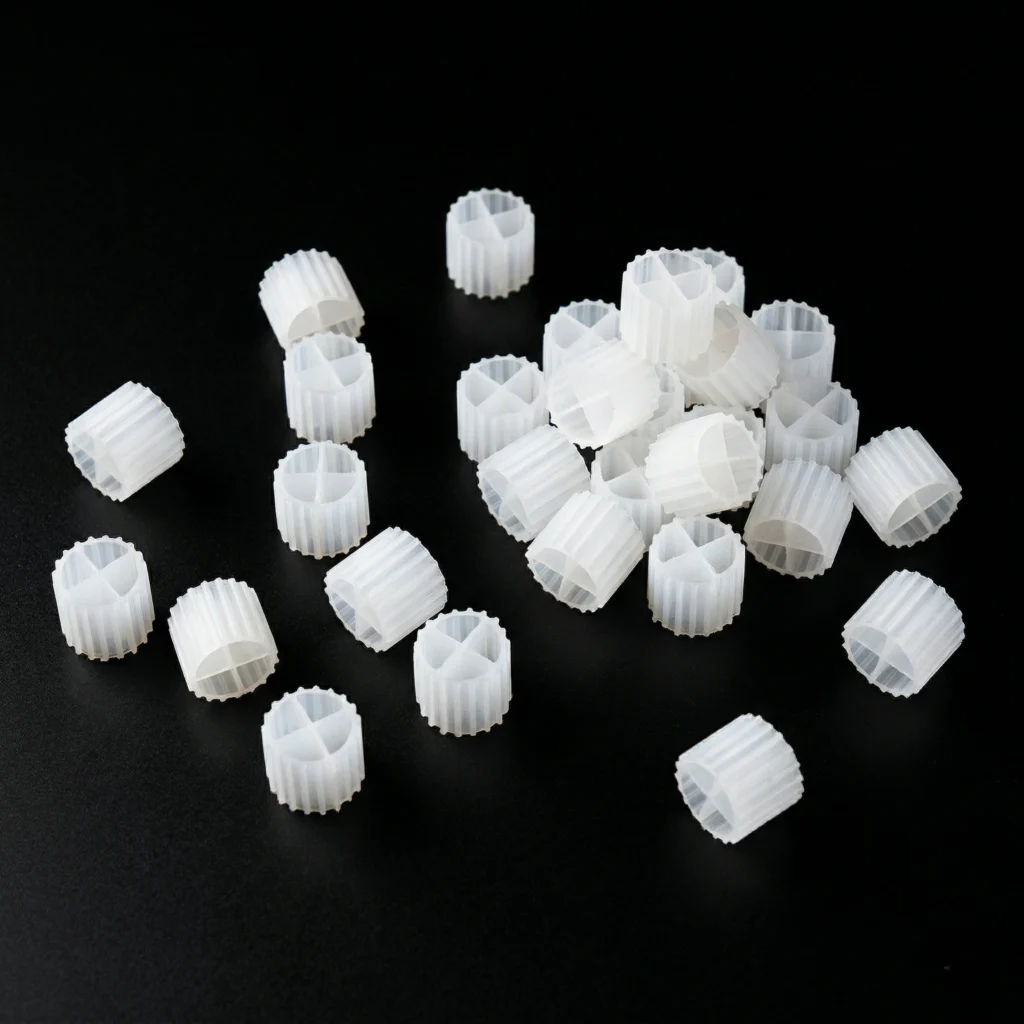
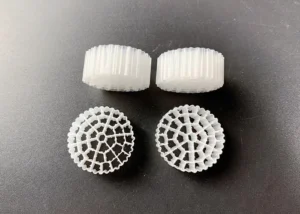
Virgin HDPE media offering high Protected Surface Area (PSA) for rapid biofilm colonization. Multiplies volumetric loading and nitrification efficiency without expanding existing tank footprints.
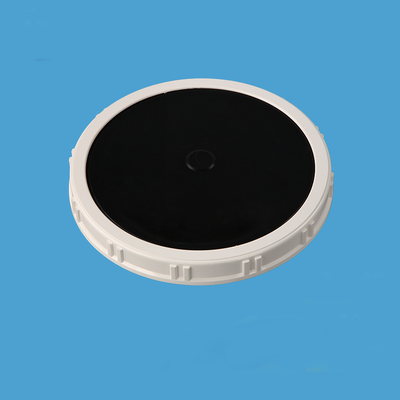
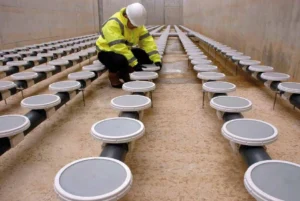
Fine bubble diffusers engineered to maximize Standard Oxygen Transfer Efficiency (SOTE) with minimal head loss. Anti-clogging EPDM/silicone membranes ensure long-term, energy-efficient mass transfer.

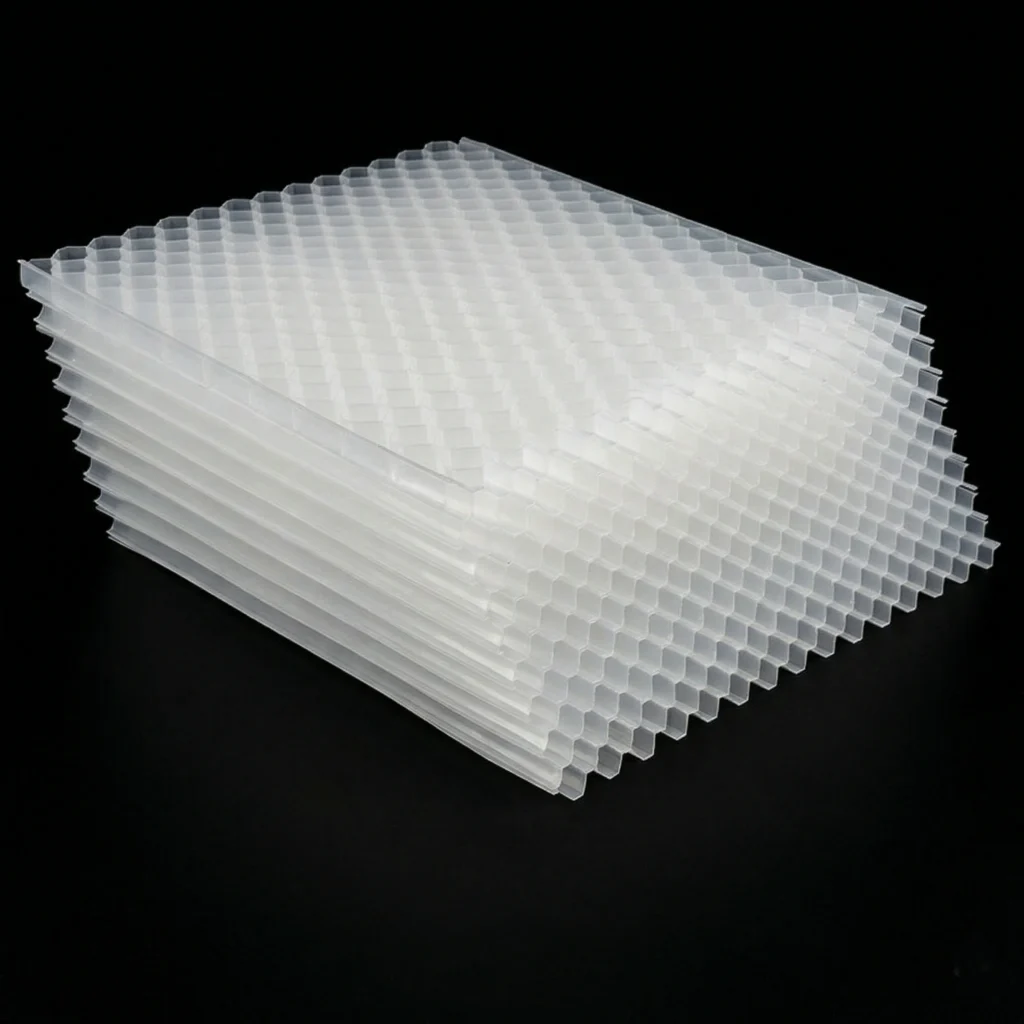
60° inclined PP/PVC honeycomb channels utilizing shallow depth sedimentation. Accelerates solid-liquid separation and reduces effluent SS, effectively multiplying clarifier capacity.
WE'RE ABOUT QUALITY AND TRUST
Zero-Compromise Material
Structurally Optimized Delivery
Direct Technical Support
No recycled plastics. No filler compounds. Full material certificates provided with every batch.
We strictly optimize 20GP and 40HQ container loading to significantly reduce your CIF logistics costs.
You communicate directly with process engineers who understand retention screens, specific gravity.
PRODUCT APPLICATIONS
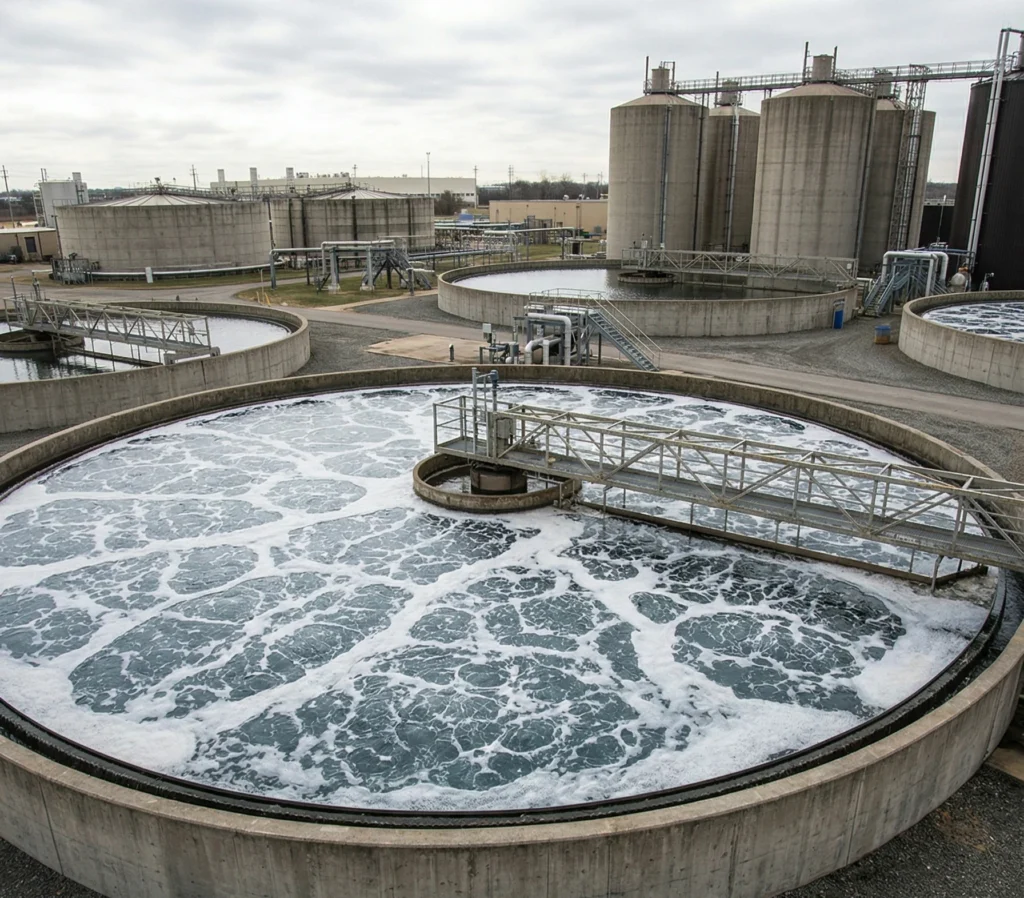
Municipal Wastewater Treatment
Industrial Wastewater Treatment
Recirculating Aquaculture Systems
Exhaust Gas & Odor Treatment
TECHNICAL RESOURCES & BLOGS

What Is MBBR? A Technical Introduction to Moving Bed Biofilm Reactor Technology
MBBR stands for Moving Bed Biofilm Reactor — a biological wastewater treatment process where microorganisms grow as a biofilm on

MBBR vs MBR vs SBR: Comparing Wastewater Treatment Technologies for Informed Decision-Making
Choosing between Moving Bed Biofilm Reactor (MBBR), Membrane Bioreactor (MBR), and Sequencing Batch Reactor (SBR) for a new plant or

How to Reduce Aeration Energy Costs in Wastewater Treatment: A Three-Tiered Technical Guide
If you’re responsible for wastewater treatment plant operations and haven’t quantified your aeration energy savings potential using actual oxygen transfer