
MBBR Retention Screens
MBBR retention screens — also called media outlet screens or MBBR sieves — are installed at the outlet of an MBBR reactor. Their job is simple but critical: keep the free-floating MBBR media inside the tank while letting treated water pass through.
Without properly designed retention screens, media escapes into the next treatment stage — reducing biological capacity, damaging downstream equipment, and adding unnecessary replacement cost. Choosing the right screen (slot width, material and size) is one of the most important design decisions in any MBBR system.
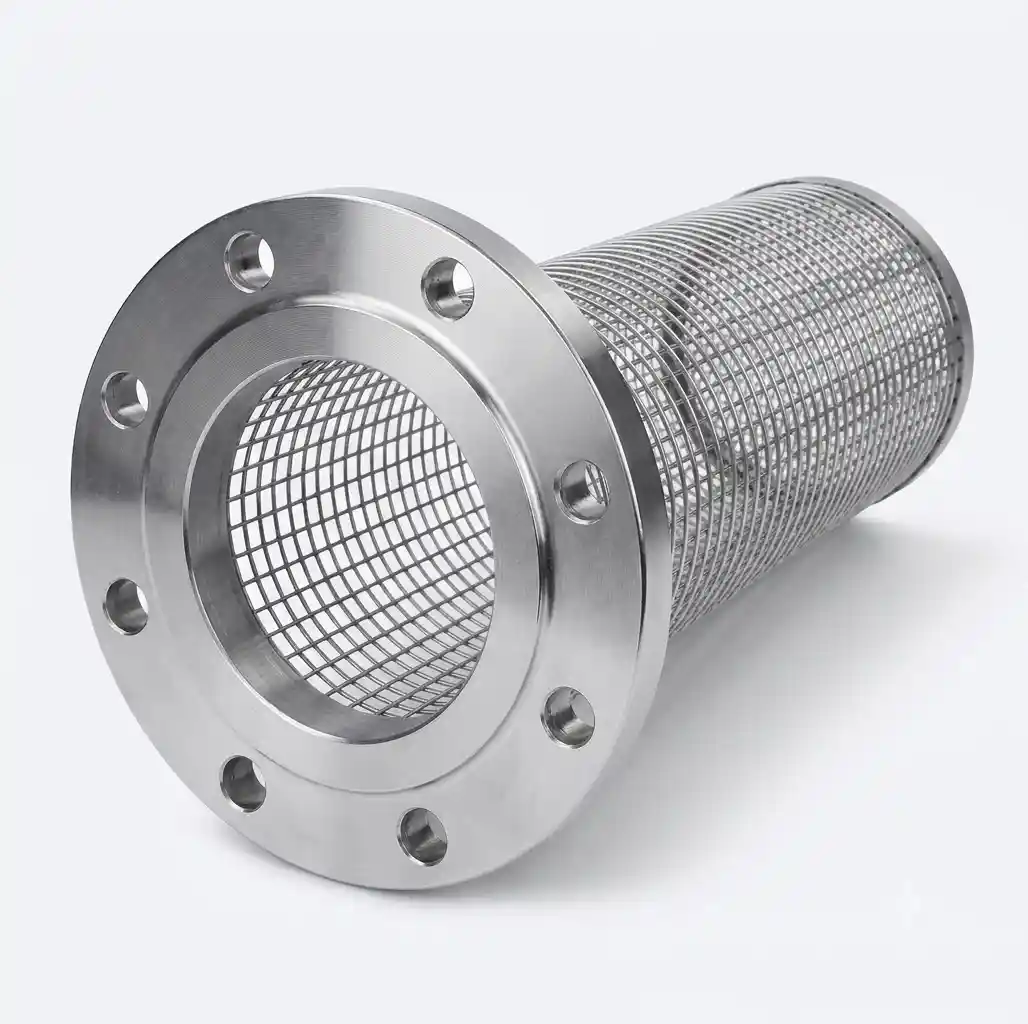
MBBR Retention Screens
Built from premium sintered stainless steel wedge wire, the VX-RS-100 is engineered for continuous wastewater service. The uniform mesh keeps flow even, and the smooth, burr-free edge treatment protects the media as it recirculates. High-grade SS304/316/316L gives it long corrosion resistance — so it filters reliably season after season, with no sharp edges, no clogging hotspots and no frequent replacement.
MBBR Retention Screens Comparison Table
Below is a direct comparison of the retention screens in the series. Use it as your first filter, then read the selection guide below.
| No. | Item No. | Length (mm) | Aperture Size (mm) | Wedge Wire Ø (mm) | Connection | Material |
|---|---|---|---|---|---|---|
| 1 | VX-RS-100 | 200–4000 | 5–12 | 2–3 | Flange | SS304 / 316 / 316L |
| 2 | VX-RS-150 | 200–4000 | 5–12 | 2–3 | Flange | SS304 / 316 / 316L |
| 3 | VX-RS-200 | 200–4000 | 5–12 | 2–3 | Flange | SS304 / 316 / 316L |
How to Choose the Right MBBR Media
Every wastewater project is different. We manufacture a comprehensive range of biological carriers designed to support robust biofilm development. Select the optimal profile based on your specific organic loading rate (OLR), tank volume, and mixing energy requirements.
| MBBR Media | Smallest Dimension | Recommended Slot Width | Why It Fits |
|---|---|---|---|
| K1 / K2 | 7 mm | ~4–5 mm | Blocks 11×7 mm carriers without choking flow — standard municipal choice |
| K3 / K4 | 10 mm | ~6–8 mm | Open enough for high flow, still retains larger 25×10 mm carriers |
| K5 | 4 mm | ~3 mm | Tight slots protect small 25×4 mm carriers under intense aeration |
| Biochip | 1.1 mm (chip) | ~3–4 mm | Retains porous chips while resisting clogging in retrofit systems |